Covers 8
The way we live now
From a review of the Anthony Trollope canon in The Economist (2020/04/08 edition): “The Way We Live Now” (1875) is as much a portrait of the last few decades as it is of the high Victorian age, and every bit as addictive as HBO’s hit series “Succession”. The novel’s anti-hero, Augustus Melmotte, is one of the great portraits of the businessman as ogre—a “horrid, big, rich scoundrel”, “a bloated swindler” and “vile city ruffian” who bears an uncanny resemblance to the late Robert Maxwell (and to living figures who had best not be named for legal reasons). Despite his foreign birth and mysterious past, Melmotte forces his way into British society by playing on the greed of bigwigs who despise him yet compete for his favours. He buys his way into the House of Commons; he floats a railway company that is ostensibly designed to build a line between Mexico and America but is really a paper scheme for selling shares. The Ponzi scam eventually collapses, exposing Britain’s great commercial empire for a greed-fuelled racket and its high society as a hypocritical sham. “The Way We Live Now” is an excellent place to begin an affair with Trollope. It is relatively short by his standards and exquisitely executed. If you don’t like it, Trollope’s world is not for you. If you do, another 46 novels await you.
Keep track of this book with your own statuses, rating and reading queue.
Subjects
- social life and customs
- england
- Philosophy
- politics and government
- english literature
- long now manual for civilization
- classic literature
- british and irish fiction (fictional works by one author)
12 more
- london (england)
- american fiction (fictional works by one author)
- crime
- media tie-in
- satire
- england in fiction
- capitalists and financiers
- policy sciences
- commercial crimes
- mate selection
- capitalists and financiers in fiction
- commercial crimes in fiction
Similar books
- Can you forgive her?
- The Warden
- Bleak House
- Little Dorrit
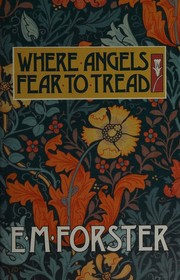
- Where Angels Fear to Tread
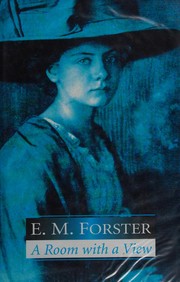
- A Room with a View
- Clarissa; or, The history of a young lady: comprehending the most important concerns of private life; and particularly shewing the distresses that may attend the misconduct both of parents and children, in relation to marriage ..
- Babbitt